
Everyday Care & Wellbeing
Pets are family. Small ways to make life more comfortable for cats and dogs
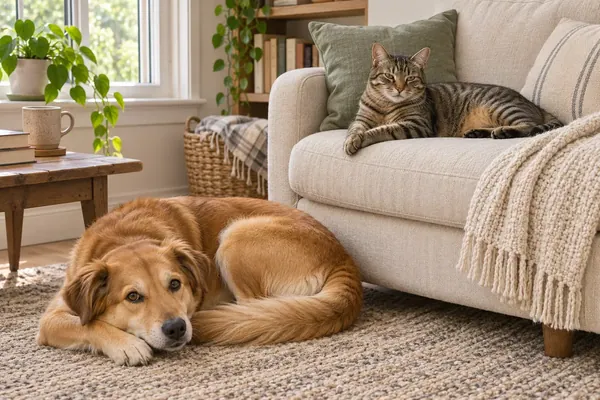
A dog waits at the door, wagging. A cat makes room for you on the sofa. These familiar moments are part of what makes a pet feel like family. Their needs show in small signals too. An eager sniff, reluctance to wear a harness or a paw that keeps pulling away can all help you choose care and equipment that suit the animal in front of you.
Make walks time for company and exploration
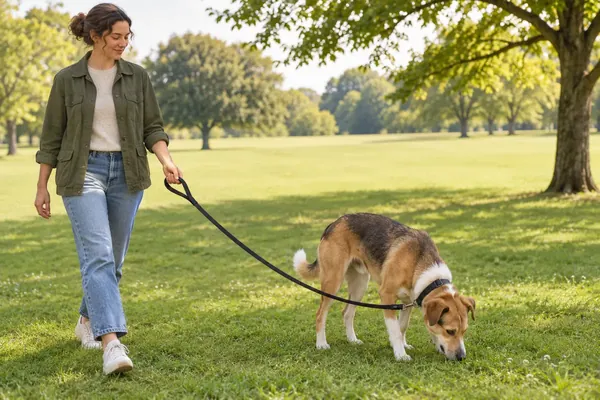
Dogs walk to move, sniff and see what has changed since yesterday. Choose a dog lead for the busiest part of the route. A fixed-length clip lead gives a predictable reach near traffic and crowds. A retractable lead lets a calm dog move farther away in an open area, which also reduces your immediate control.
Dogs often learn that pulling gets them nearer to a smell or another dog. Practise loose-lead walking somewhere quiet. Pause when the lead goes tight, then move and reward the return of slack. Build in time to sniff so the whole walk does not feel like training.
Choose a collar for the dog’s neck and daily routine
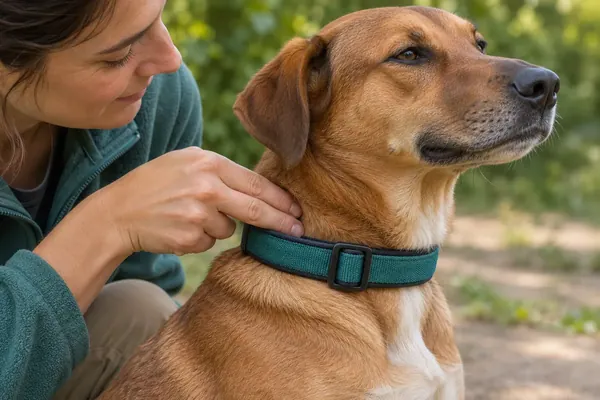
A collar can carry identification and, where appropriate, attach to a lead. Check neck measurement, strap width, the surface touching the coat and the available adjustment. A tight collar can cause pressure. A very loose one can slip over the head.
On a reflective padded collar, the lining separates the outer strap from the neck. Reflective details depend on light reaching them. Use a guide to measuring a dog’s neck before choosing an adjustable collar, then recheck fit as the dog grows or the coat changes. Look around the buckle and edges for rubbing after a short walk.
Let the shoulders move freely in a harness
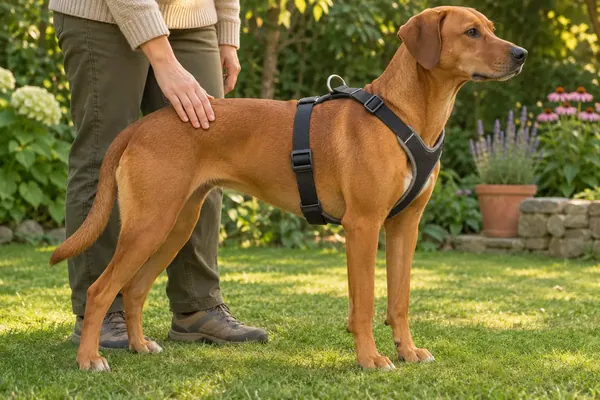
A well-fitted harness connects the lead away from the neck and sits around the torso. Watch how the straps move as the dog walks and turns. Leave the shoulders free and check behind the front legs for rubbing. An adjustable X-shape step-in harness is one design to compare with your dog’s measurements.
Use a soft tape and follow the neck and chest measuring guide. Let a dog new to a harness investigate it first. Reward a small step like approaching it, then work up to wearing it briefly indoors. If the dog backs away or freezes, pause and return to an easier step.
Let the coat and the animal set the grooming pace
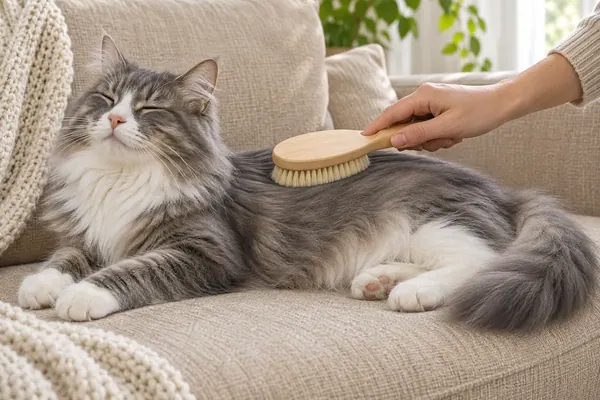
Gentle brushing lifts loose hair before it collects into tangles and gives you a chance to look at the skin. Long-haired cats often need more attention than short-haired ones. Compare grooming brushes and combs by coat type and task. A curved deshedding comb is a separate option for loose undercoat when the tool suits the coat.
Start with a few gentle strokes and let the animal move away. Avoid pulling on tangles or working over sore skin. A dense mat close to the skin, unexpected bald patches or pain call for help from a qualified groomer or vet as appropriate.
Check a cat’s claws during ordinary quiet moments
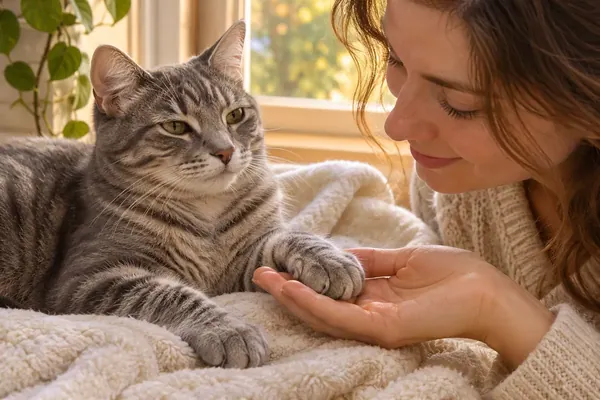
Cats use their claws to stretch, scratch and climb. Provide a suitable scratching surface and look at their paws when they are relaxed. Older cats and those with reduced mobility may need more help. Repeated snagging on fabric can be a reason to check more closely.
If a trim is needed, choose scissors made for cat claws or another suitable cat clipper. Gently support the paw. Clip only the clearly visible tip, well away from the living tissue. Stop if the cat strongly resists or you cannot see where to cut. The cat claw care guide explains when a paw check is enough and when to seek veterinary advice.
Choose equipment around the individual pet
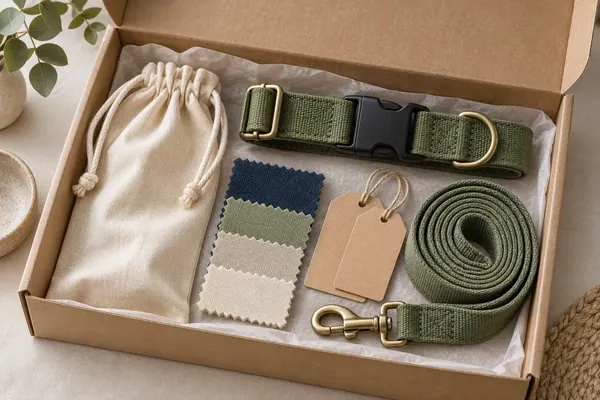
Two dogs with the same neck measurement can move differently in a collar. Two cats with similar coats can react differently to brushing. Observe the routine first and try new equipment calmly. Retailers can build an assortment the same way, starting with the fit, coat types and habits their customers describe.
If buyers need a specific colour, packaging format or combination, a pet accessory customisation inquiry can help clarify what the customer wants and what is feasible. Clear requirements make it easier to review a sample.
Make room for the things they already enjoy
A quiet corner, a sniff at the end of a slack lead and short moments of gentle care can all support a good day. Choose equipment that fits, check it regularly and give your cat or dog time to get used to change. That is how we put the idea that pets are family into practice.
References and further reading
- Dogs Trust – teaching loose-lead walking
- Battersea – introducing a collar, lead or harness
- Dogs Trust – fit and introduction of a harness
- Dogs Trust – introducing dogs to grooming and touch
- Cats Protection – grooming your cat
- Cats Protection – how to trim cat claws
- Cats Protection – why cats scratch
- RSPCA Australia – equipment for loose-lead walking